An Elderly Patient Caught in a Dilemma: A “Time Bomb” in the Kidney
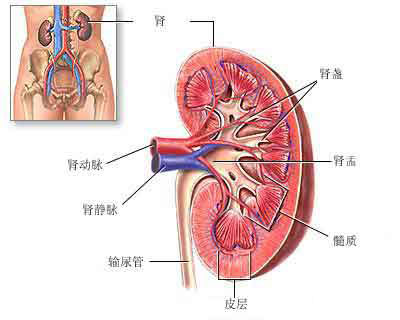
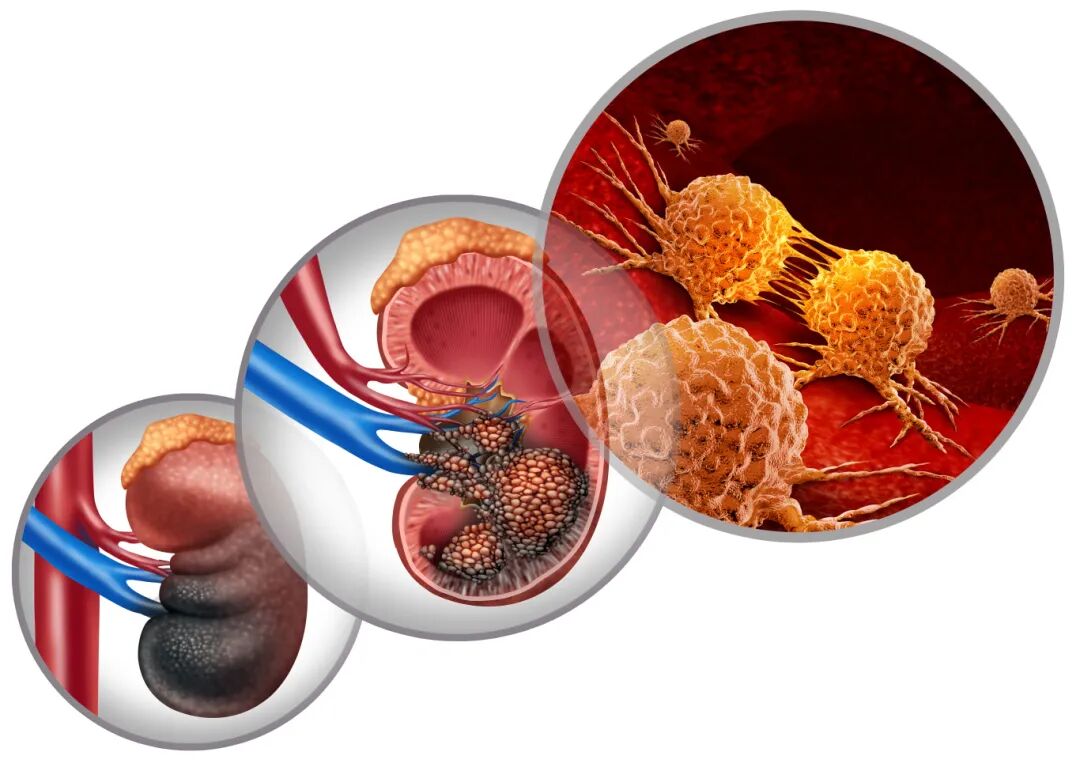
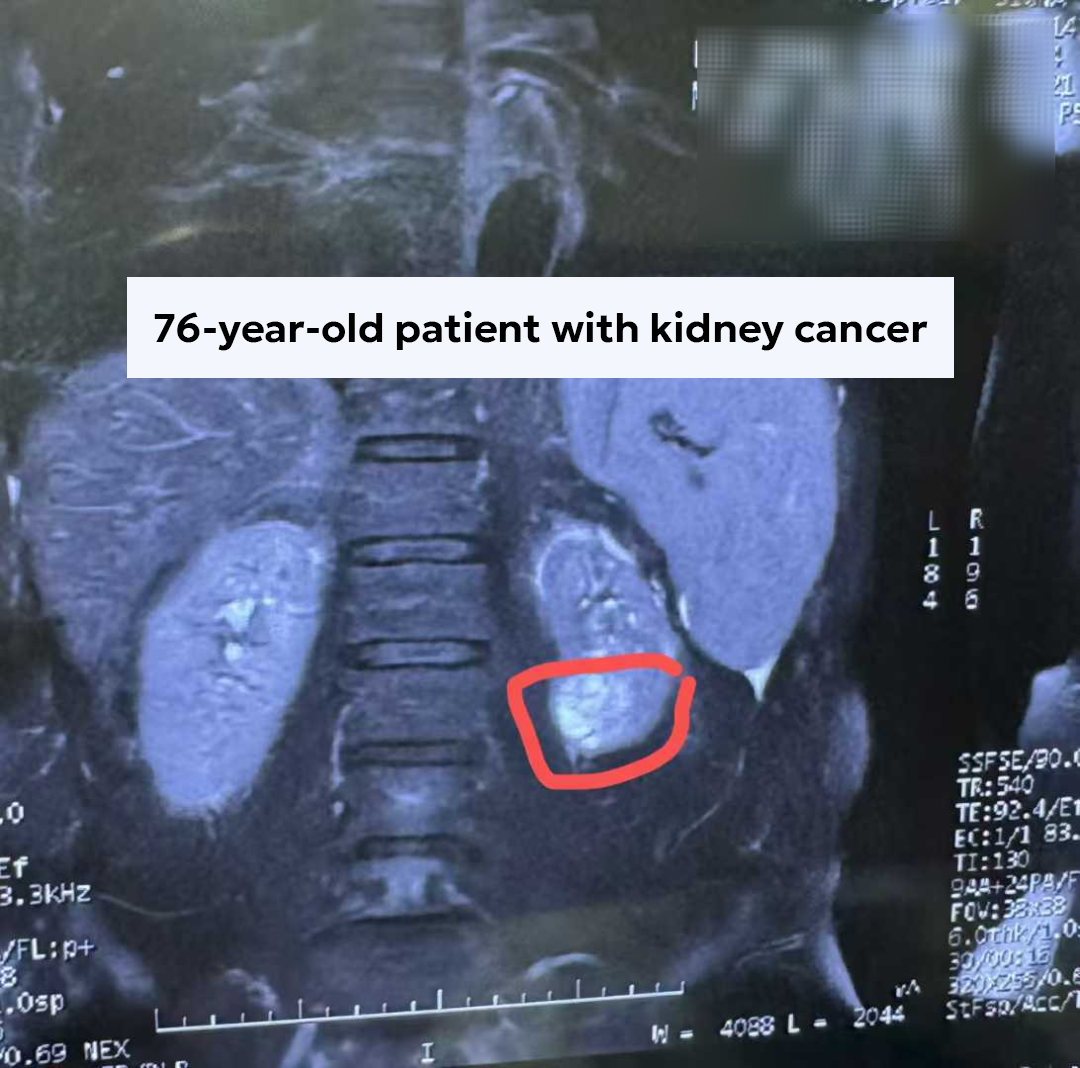
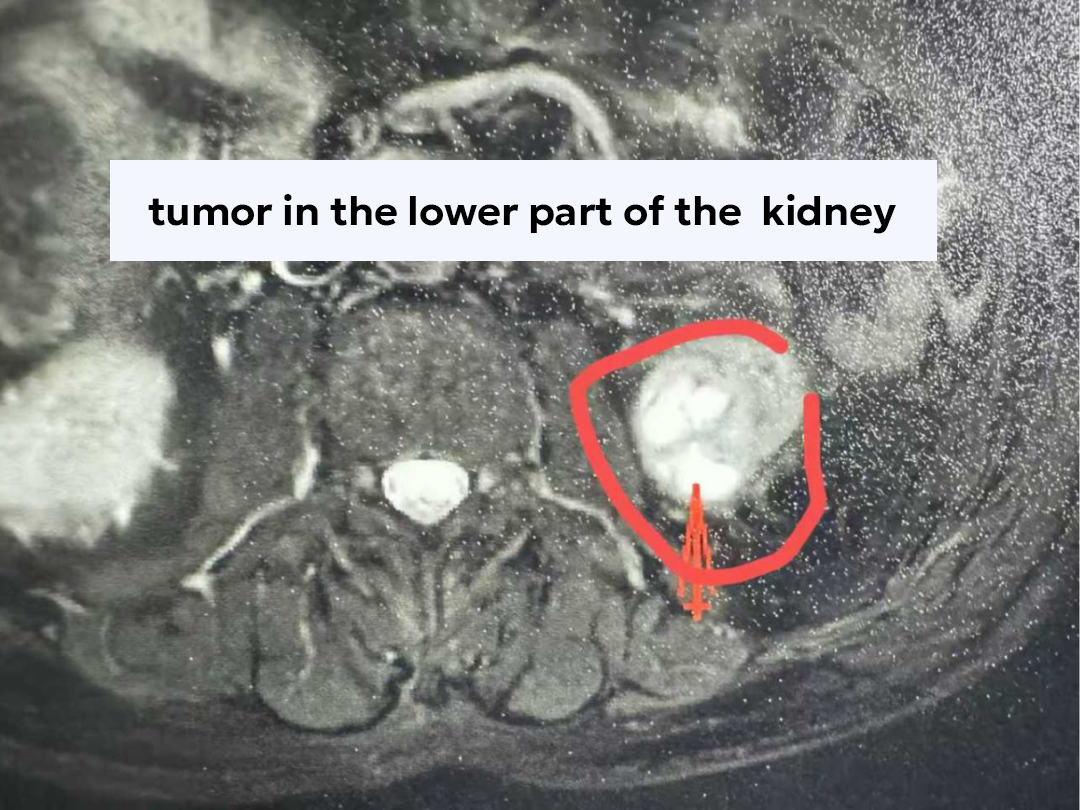
Mr. Li (pseudonym), nearly 80 years old, lives in Inner Mongolia. In September this year, he began experiencing pain in his right kidney and sought medical attention at a local hospital. The examination results raised serious concerns: hydronephrosis of the right kidney, atrophy of the left kidney, and a 3.9 cm mass detected in the left kidney.
Local doctors recommended immediate removal of the left kidney. However, for Mr. Li—advanced in age and suffering from hypertension and a previous cerebral infarction—traditional surgery carried extremely high risks. His two daughters firmly opposed the suggestion.
“Our father is old and has so many underlying conditions. We really couldn’t bear to put him through major surgery again,” they said.
Yet leaving the tumor untreated felt like carrying a “time bomb.” The entire family was overwhelmed with anxiety.
Traveling Thousands of Miles: Minimally Invasive Technology Brings New Hope
A turning point came during a public health lecture. Professor Niu Lizhi, President of Guangzhou Fuda Cancer Hospital, happened to be in Ordos, Inner Mongolia, delivering a公益 (public welfare) lecture.
After learning in detail about the minimally invasive ablation techniques he specializes in—such as cryoablation and NanoKnife—the daughters saw a glimmer of hope. They brought their father’s medical reports to consult him in person.
“President Niu told us that my father was indeed not suitable for surgical resection, and that postoperative complications would also be a major challenge. He recommended minimally invasive treatment with less trauma,” one daughter recalled.
Although Mr. Li was initially reluctant to travel far, his daughters patiently persuaded him. In the end, they managed to “coax” him onto the journey south to Guangzhou in search of treatment.
Thorough Evaluation Reveals an Unexpected Blood Disorder
After admission to the First Medical Department of Fuda Hospital, the attending physician, Dr. Hong Guiyong, noticed something unusual while reviewing the test results: markedly elevated white blood cell and platelet counts, accompanied by splenomegaly.
“This is not just a kidney problem. The abnormal blood counts suggest a possible hematologic disorder,” Dr. Hong explained to the family.
He promptly arranged a bone marrow biopsy and genetic testing. The results confirmed his suspicion—Mr. Li was also diagnosed with chronic myeloproliferative neoplasm, a clonal disorder of hematopoietic stem cells. This condition can lead to abnormal overproduction of blood cells, increased blood viscosity, sluggish blood flow, and a high risk of thrombosis, potentially resulting in fatal events such as cerebral infarction, myocardial infarction, or cerebral hemorrhage.
This comprehensive evaluation not only confirmed the left kidney tumor as clear cell renal cell carcinoma, but also uncovered a hidden, potentially life-threatening condition, providing a crucial basis for an integrated treatment strategy.
Personalized Treatment Brings Smiles Back to the Family
Faced with the complex coexistence of a solid tumor and a hematologic disease, a multidisciplinary medical team concluded that tumor reduction was clearly indicated, but traditional surgery posed excessive risk.
Taking into account the family’s strong wishes and Mr. Li’s physical condition, the team ultimately devised a personalized treatment plan:
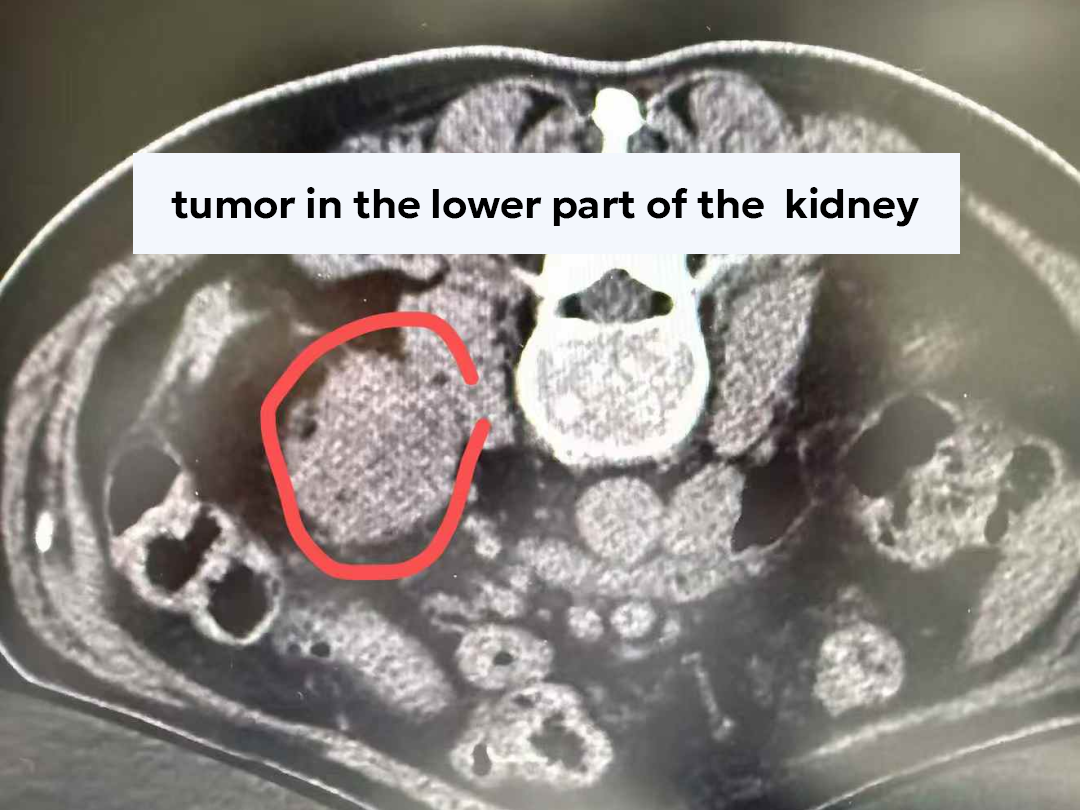
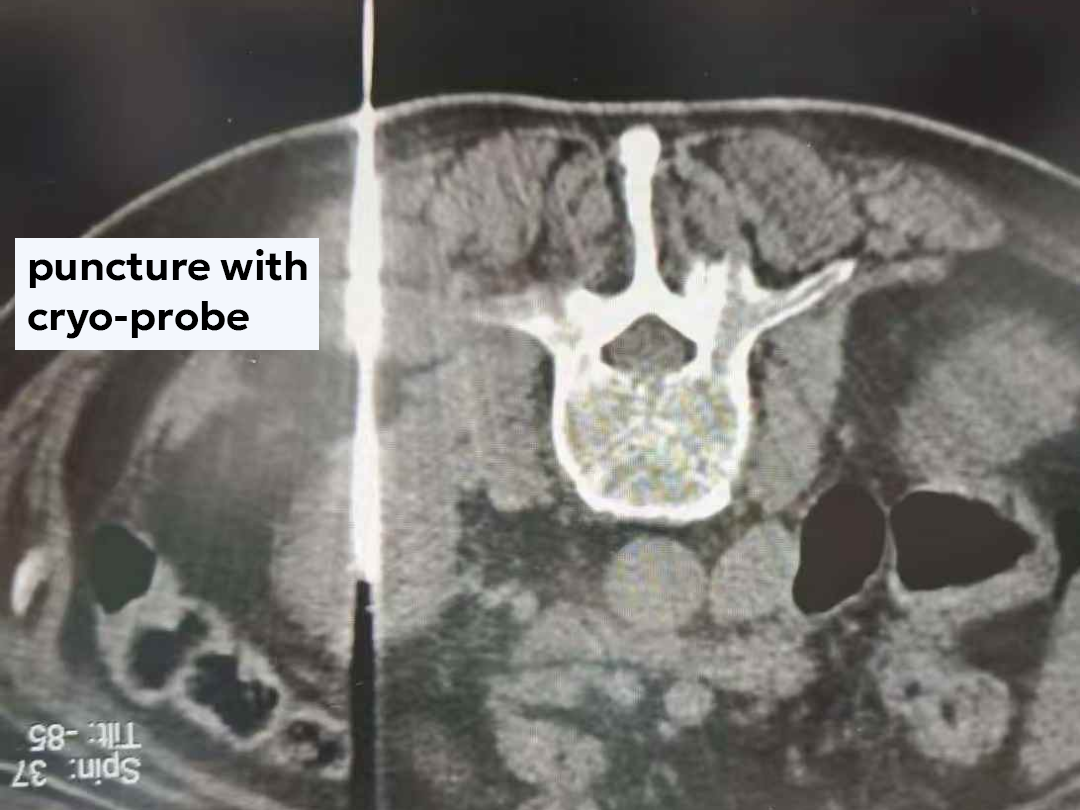
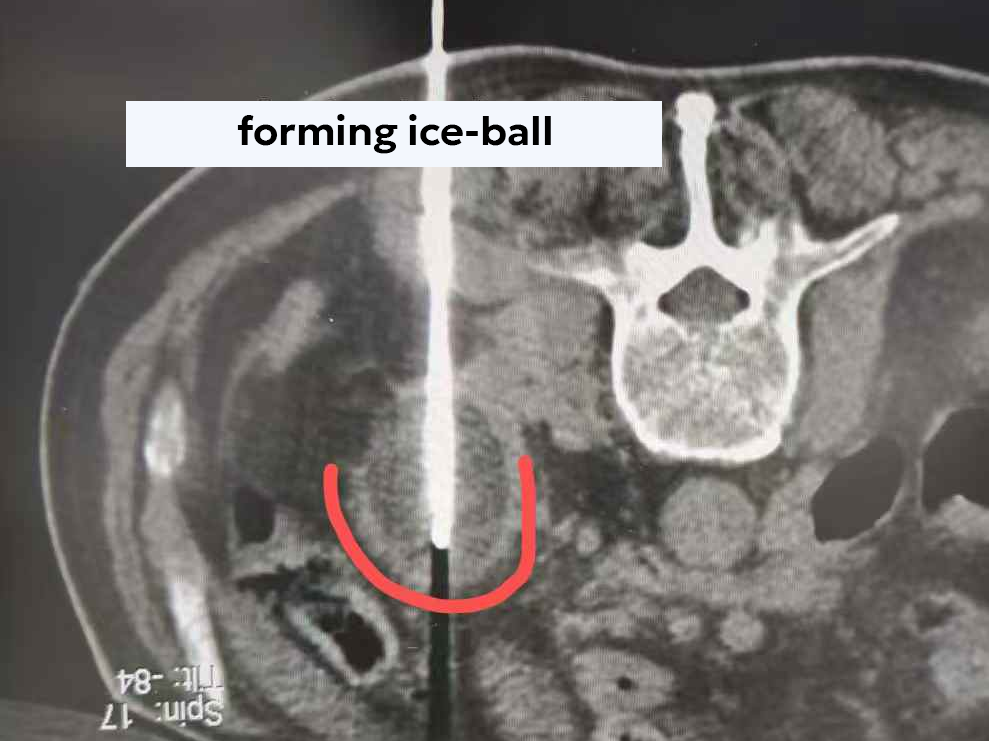

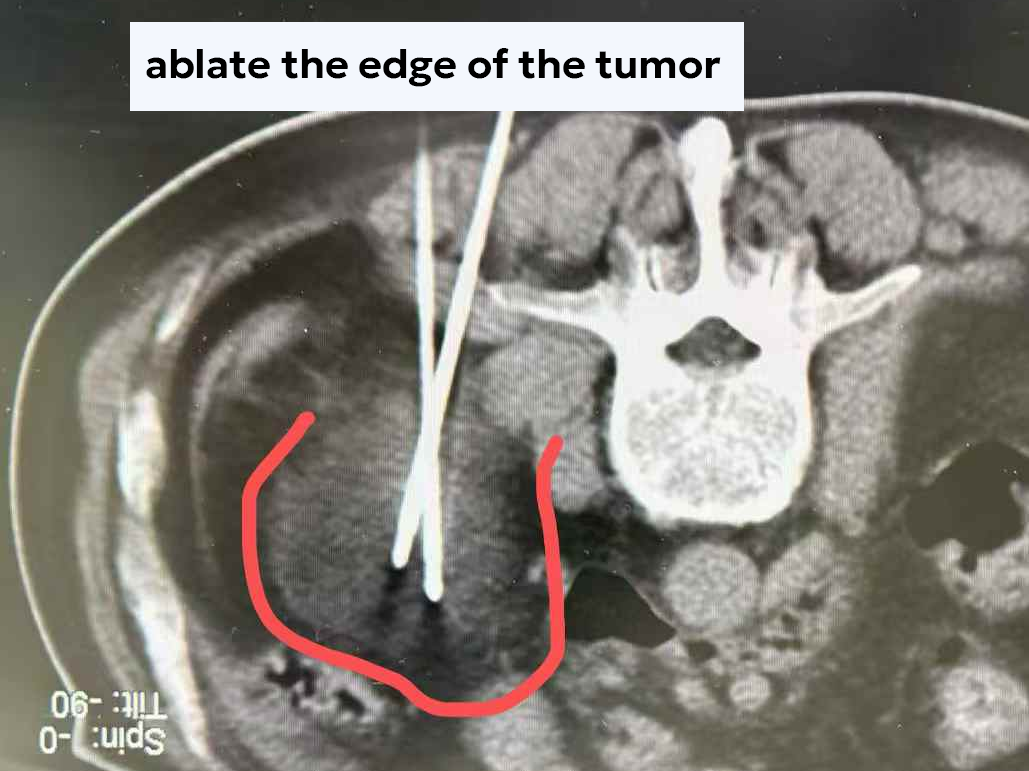
cryoablation followed by targeted therapy.
Cryoablation destroys tumor cells by freezing them at ultra-low temperatures. With minimal trauma and rapid recovery, it is especially suitable for elderly patients with multiple comorbidities.
Rapid Recovery Exceeds Expectations
“We did the cryoablation on November 18, he was transferred from the ICU to a general ward on the 19th, and after the urinary catheter was removed on the 20th, he was already wandering around like a little kid, happily chatting with other patients,” Mr. Li’s daughter told us with a smile.
She added that her father’s overall condition was excellent, with no significant pain, and that his appetite and sleep were barely affected. The family was extremely satisfied with the outcome.
When Doctors and Patients Work Together, a Hospital Can Feel Like Home
“My father can be a bit short-tempered, but this time he was surprisingly ‘well-behaved,’” his daughter joked.
During nearly half a month of hospitalization far from home, Mr. Li indeed showed rare patience. Though he occasionally acted like a grumpy old child, he remained cooperative throughout the treatment, thanks to the attentive care of the medical staff and the constant companionship of his daughters.
“The doctors and nurses were incredibly kind and patient. The hospital didn’t feel cold at all—it felt more like a home,” his daughter said emotionally. “If all hospitals were like this, perhaps fewer people would be so afraid of getting sick or being hospitalized.”
This long journey for medical care not only successfully resolved the kidney tumor crisis, but also led to the timely detection and management of a blood disorder. More importantly, it gave the family a profoundly different medical experience—one where advanced technology and human compassion go hand in hand, turning treatment into a journey filled with warmth.